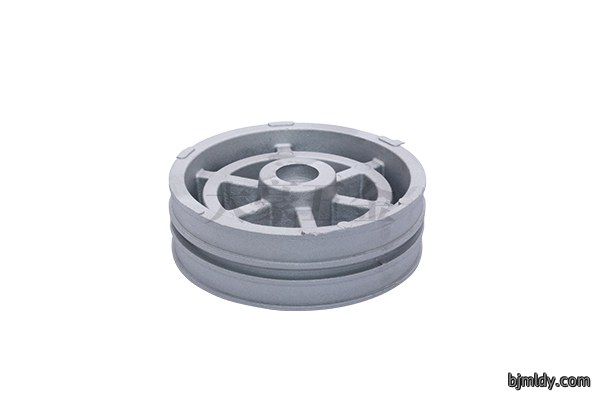
In the context of internal combustion engine design, a piston represents a critical reciprocating component that moves cyclically within the cylindrical chamber of an automobile engine, converting the expansive force generated by fuel combustion into mechanical motion through its vertical oscillation. The fundamental architectural composition of a piston can be systematically divided into three distinct functional zones, namely the top surface, the head section, and the skirt portion, each serving specific structural and thermodynamic purposes within the engine's operational framework. The piston top, functioning as the primary structural element that forms the upper boundary of the combustion chamber, directly interfaces with the ignited fuel-air mixture and therefore its geometric configuration bears a direct relationship to the particular combustion chamber architecture that has been selected during the engine design phase.
The primary functional role of the piston within an internal combustion engine is to withstand the substantial combustion pressure generated inside the cylinder during the fuel ignition and expansion stroke, then effectively transmit this force through a mechanical linkage system composed of the piston pin and connecting rod toward the crankshaft, which converts the linear reciprocating mo
The piston top represents a critical structural element within the combustion chamber assembly, and because it operates within an environment subject to extreme thermal and mechanical stresses, engineers must carefully consider its geometric configuration during the design phase. In gasoline engine applications, manufacturers predominantly select either flat-top or concave-top piston designs, configurations that provide several distinct advantages within the internal combustion engine architecture.
The piston head is the part above the piston pin seat, and the piston head is installed with a piston ring to prevent high temperature and high pressure gas from entering the crankcase and prevent oil from entering the combustion chamber; Most of the heat absorbed by the top of the piston is also transmitted to the cylinder through the piston head, and then transferred through the cooling medium.
All parts of the piston ring below the groove are called piston skirts, which serve as critical structural components within internal combustion engine architecture. The primary role of piston skirts encompasses guiding the piston through reciprocating motion within the cylinder bore while simultaneously withstanding the lateral side pressure generated during the combustion cycle. When the engine is actively working and producing power, the piston experiences complex loading conditions due to the effect of gas pressure in the cylinder, which causes the piston body to bend and deform in multiple directions. After the piston is heated to operating temperature through repeated combustion cycles, the thermal expansion amount is significantly greater in regions adjacent to the piston pin due to the concentrated metal mass at the piston pin location, compared with other sections of the piston structure. In addition, the piston will produce extrusion deformation under the action of side pressure exerted by the connecting rod during the power and exhaust strokes of the engine cycle.